Reading time: 2 min
Depression is a mental health condition that affects millions of people worldwide. The most common symptoms include persistent sadness, extreme fatigue, lack of motivation, changes in sleep and appetite, difficulty concentrating and, in severe cases, thoughts of death. Treatment involves psychotherapy and, when necessary, medication.
Yoga does not replace that care. But it can be a valuable complement — and that is what this article is about.
What Yoga taught me about depression
Over years of personal practice and teaching, one of the most important things Yoga has given me is the ability to observe my own mind. To notice its patterns. To recognise how it expresses itself on difficult days.
This capacity for observation — what in Yoga we call sākṣin, the witness — has been one of the most valuable tools the practice has offered me. Because when we can observe the mind rather than merge with it, we begin to see that not everything it tells us is real or true. And that awareness can be enough to interrupt a downward spiral before it takes hold.
It’s not magic, it’s training. Training that happens on the mat but is applied off it.
How Yoga supports those living with depression
Research shows that regular Yoga practice reduces cortisol levels — the stress hormone — and supports the production of serotonin and dopamine, neurotransmitters essential for emotional wellbeing.
But beyond the physiology, something subtler happens in practice: we learn to be present. To breathe consciously. To inhabit the body rather than remain trapped in thought.
Some of the ways practice can support those living with depression:
- Conscious breathing (prāṇāyāma) helps regulate the nervous system and reduce anxiety
- Āsanas stimulate circulation and combat physical fatigue
- Meditation (dhyāna) trains the mind to observe thoughts without identifying with them
- Yoganidrā — guided deep relaxation — supports those dealing with insomnia or mental fatigue
- Practising in a group reduces social isolation, one of the factors that can worsen depression
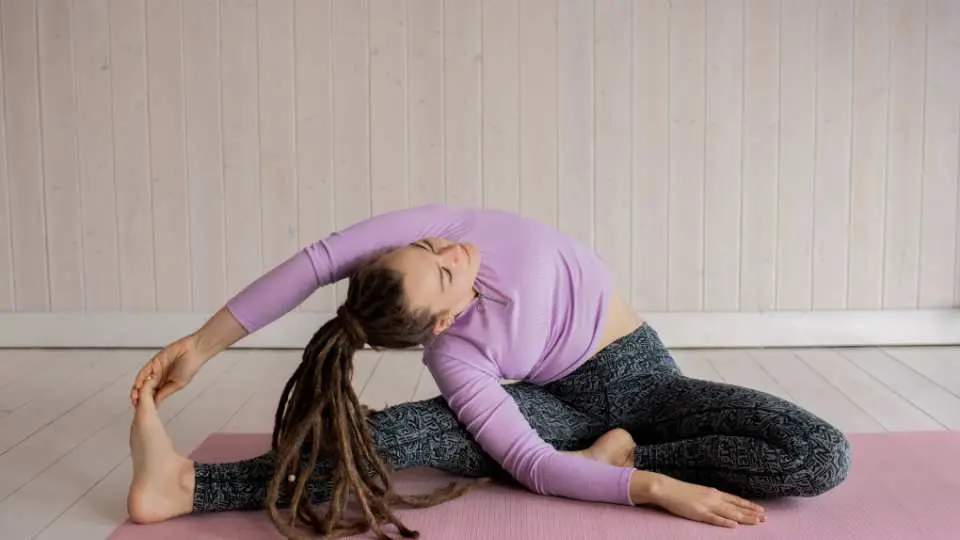
Which type of Yoga is most suitable?
It depends on the moment and on the energy available. In general, I recommend starting with gentler practices and adjusting over time.
At Shankara, classes always integrate āsanas, prāṇāyāma, yoganidrā and meditation — a complete approach that works on every dimension of the person. We will also soon be offering Yin Yoga, a practice of long, passive postures that is especially well suited to reducing stress and anxiety.
If your energy is low or you are going through a particularly difficult phase, a short and gentle practice is always better than none. Ten minutes with full attention are worth more than an hour on autopilot.
How to start?
Some practical suggestions:
- Speak with your doctor or psychologist first
- Yoga should be part of a treatment plan, not a replacement for one
- If you have never practised, start with in-person classes — a qualified teacher can adapt the practice to your emotional state
- Consistency matters more than duration — a short, regular practice has more effect than occasional long sessions
- Be kind to yourself on the days when you cannot manage, those days are also part of the path
If you are living with depression and would like to try Yoga, I am here to support you.
You can check our class schedule and start whenever you feel ready.