Estimated reading time: 4 minutes
Anxiety is something almost everyone experiences at some point. It can be described as an alarm emotion, tied to feelings of distress, tension or insecurity, which, when frequent, intense or uncontrollable, cause real discomfort and can develop into a diagnosable condition.
Among the physical symptoms this health issue can trigger are a racing heart, dizziness, a dry mouth or shortness of breath. Alongside these come psychological symptoms such as excessive worry, difficulty concentrating, trembling, freezing up, trouble speaking in public, or avoiding social situations. Together, these symptoms can seriously affect someone’s quality of life.
According to the World Health Organization, anxiety is among the leading mental health concerns worldwide. It’s a nearly universal experience (almost all of us have felt it, or will), but that doesn’t make it any less deserving of real attention.
In recent years, amid growing uncertainty, anxiety levels have been rising, particularly among younger people. A study from the University of Calgary, published in JAMA Pediatrics and drawing on data from nearly 81,000 young people across several world regions, found that anxiety and depression symptoms in children and teenagers had doubled compared to pre-pandemic estimates. Girls and older teens showed the highest levels.
Mild Anxiety and Severe Anxiety
Anxiety can show up in different ways, for different reasons.
When it appears as a reaction to, or way of adapting to, everyday life, it can be considered “mild anxiety”. It can even motivate us to act, and its symptoms stay surface level, without interfering with our wellbeing.
When symptoms are severe, worsen, become frequent, or feel uncontrollable, clearly interfering with wellbeing, we’re looking at “severe anxiety”, which can lead to conditions such as separation anxiety disorder, generalized anxiety disorder, selective mutism, phobias, panic attacks, obsessive-compulsive disorder, or trauma related conditions like PTSD. Each of these has specific characteristics and should be diagnosed by a health professional.
If you feel your anxiety is affecting your wellbeing, ask for help. Don’t hesitate to see your doctor, so you can be properly supported.
In less severe cases (or in more severe ones already diagnosed and under care), yoga techniques can help prevent anxiety from developing, or help manage it when it arises.
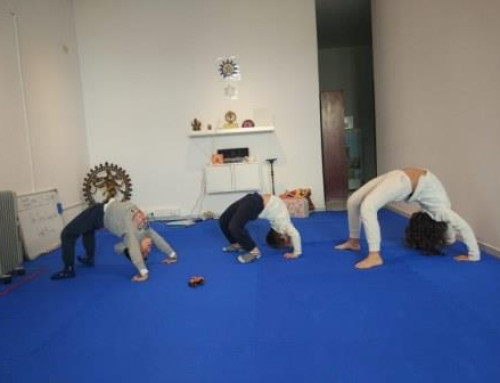
1. Balance Poses
Holding a balance pose successfully starts with concentration, and concentration brings us into the present moment. If your mind is in the future, or full of worries, the pose becomes harder to hold. As you work on your physical balance, you’re also influencing your emotional and mental balance (everything is connected, after all). Balance poses help you focus on the here and now, pulling your attention away from an uncertain future, which is so often where anxiety takes root.

Foto de Canva
2. Prāṇāyāma
Breathing exercises (prāṇāyāma) offer an ongoing way to work with breath control. It’s common knowledge, and has been proven scientifically many times over, that breath is closely tied to our emotional state. When we’re stressed or afraid, our breath tends to shorten; when we’re relaxed, it tends to lengthen. For anxiety specifically, learning to lengthen the exhale is especially helpful: it slows the heart rate and allows us to settle into a calmer state.
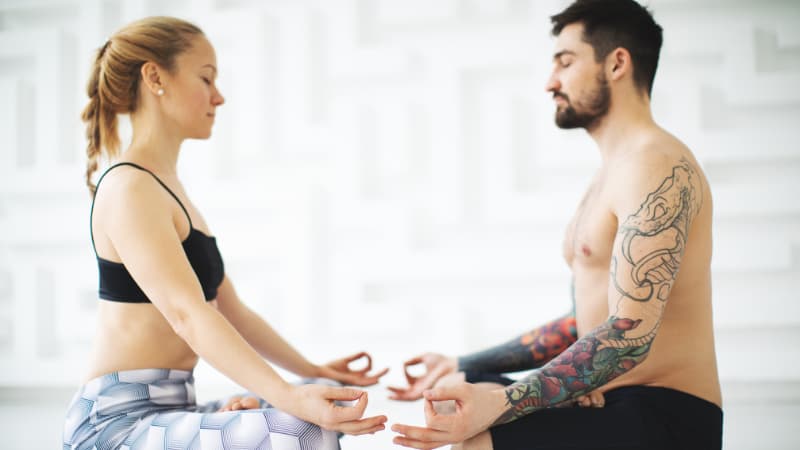
Foto de Canva
3. Relaxation
Allowing the physical body to relax, along with the emotional and mental bodies, is a genuinely effective way of working with anxiety. Through yoga’s relaxation practices, you gradually learn to let go of tension, and of whatever no longer serves you (which often includes the worries themselves). Little by little, you allow yourself to relax more deeply, gathering the benefits that come with that practice.
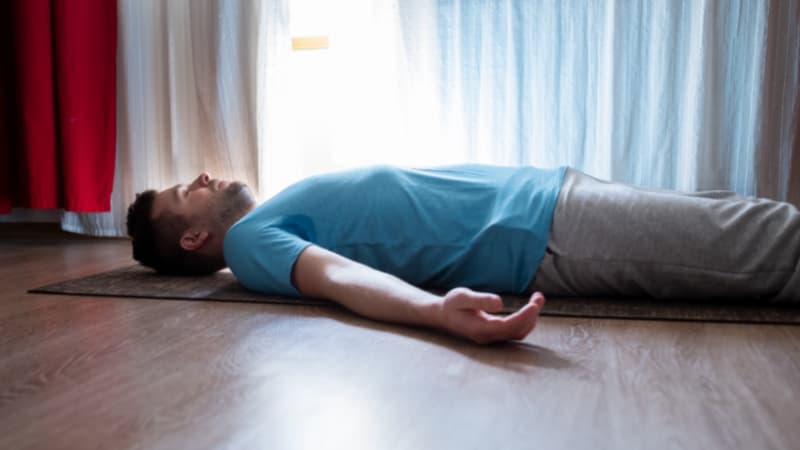
Foto de Canva
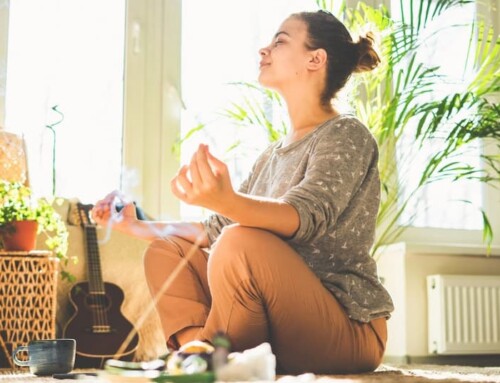
4. Meditating
Yoga’s meditation techniques help you focus on the present moment, moving attention away from the future, which so often triggers anxiety. One of the simplest ways to begin is to focus on your breath, though every technique has this effect in some way. Observing your thoughts without identifying with them can also help: your thoughts are creations of the mind, not reality itself. As you learn to step back from your mind, you start to notice that much of what you think can simply be let go, instead of becoming a trigger that pulls you into deep anxiety.
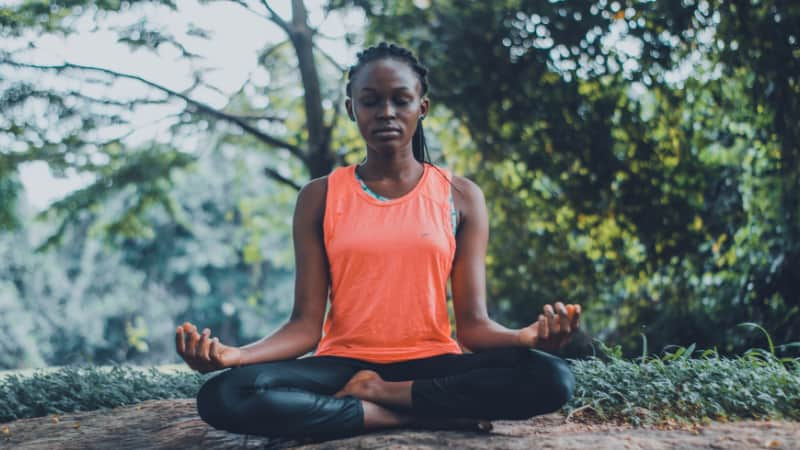
Foto de Canva
A Path Worth Taking
All of these techniques can help, if practiced consistently. Nothing changes overnight. This is a path that needs to be walked, just as the path that brought you to this level of anxiety was walked too (sometimes over years, without you even noticing). Now you can walk it in the other direction. There will be ups and downs, but yoga practice also helps build willpower and resilience, so you don’t give up at the first setback. If practicing alone feels like too much of a challenge on its own, look for a yoga teacher who can guide and support you.
Do you already practice yoga, and has it helped you manage anxiety? Share your experience in the comments, it might inspire someone else.
Haven’t tried it yet, but feeling curious? Let us know how it goes.